2 min read
Restrooms get more attention per square foot than almost any other part of a commercial facility — and they leave a disproportionate impression. A visitor or employee who encounters a dirty restroom will often judge the entire building by that one experience, regardless of how clean the rest of the space is. Beyond appearances, restroom hygiene has a real, direct connection to workplace health.
Why Restrooms Matter More Than Their Square Footage Suggests
High-touch surfaces — door handles, faucet handles, stall latches, soap dispensers — concentrate germs in a way that open office space doesn’t. Restrooms are also used by nearly everyone in a building multiple times a day, which makes them one of the highest-traffic, highest-risk surfaces for spreading illness between employees. Facilities that treat restroom cleaning as a single once-daily task, rather than something that needs checking throughout the day, tend to see hygiene standards slip well before closing time.
What Consistent Restroom Hygiene Actually Requires
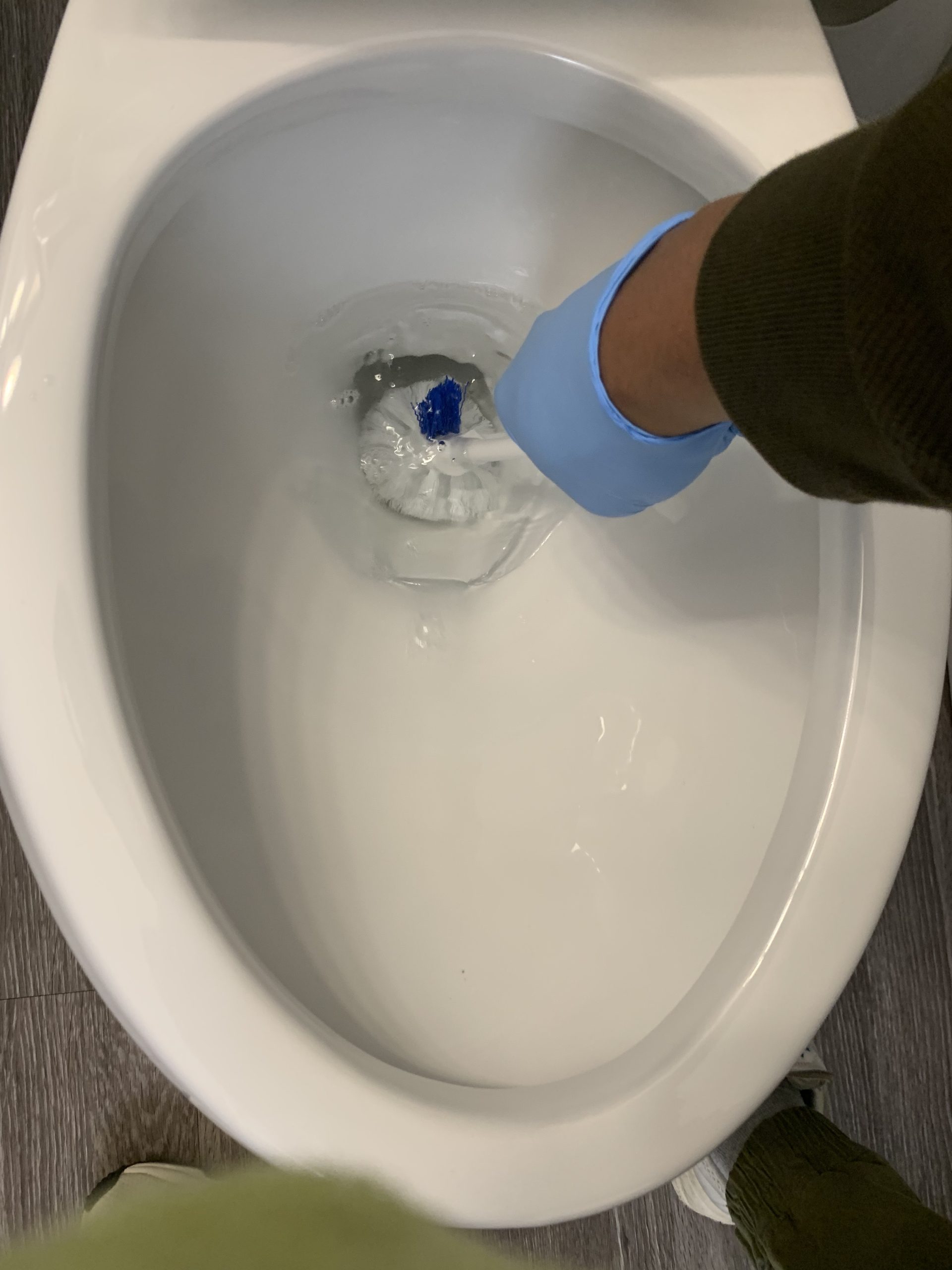
Beyond daily deep cleaning, well-maintained restrooms need supply checks (soap, paper towels, toilet paper) throughout the day, not just once in the morning; high-touch surface disinfection, not just visible cleaning; and prompt attention to spills or overflow rather than waiting for the next scheduled cleaning pass. In higher-traffic buildings, this often means restroom checks need to happen multiple times per day, which nightly-only janitorial service isn’t structured to provide.
The Connection to Employee Health
Illness spreads faster in workplaces with inconsistent restroom hygiene, particularly during cold and flu season. Employees who don’t trust that shared restrooms are being properly maintained also report lower satisfaction with their workplace overall — hygiene concerns don’t stay contained to the restroom itself, they color how people feel about the building as a whole. Consistent, visible upkeep is one of the more direct levers a facility manager has over both actual illness transmission and perceived workplace quality.
Building a Standard That Holds Up
The facilities that get this right typically combine a solid nightly deep-clean with a daytime check-in schedule scaled to actual traffic — more frequent checks for high-traffic public restrooms, less for low-traffic private ones. Getting that schedule right, rather than applying the same routine everywhere regardless of use, is usually the difference between a restroom that holds up all day and one that only looks clean first thing in the morning.
Ready for a cleaning plan built around your facility?
Schedule a walkthrough and get a proposal tailored to your building, traffic, and standards.
Request a Scope Walk Call 800-257-5834